
Introduction
When we talk about fertility, we often think of complex treatments and medical procedures.
However, one of the most powerful and frequently underestimated factors for optimizing your reproductive health is right on your plate: food.
Mindful nutrition is not a magic solution, but it is a fundamental tool for creating optimal conditions in your body. Every food you consume sends signals to your body, influences your hormones, and affects your hormones.
Mindful nutrition is not a magic solution, but it is a fundamental tool for creating optimal conditions in your body. Every food you eat sends signals to your body, influencing your hormones, cellular inflammation, and reproductive capacity.
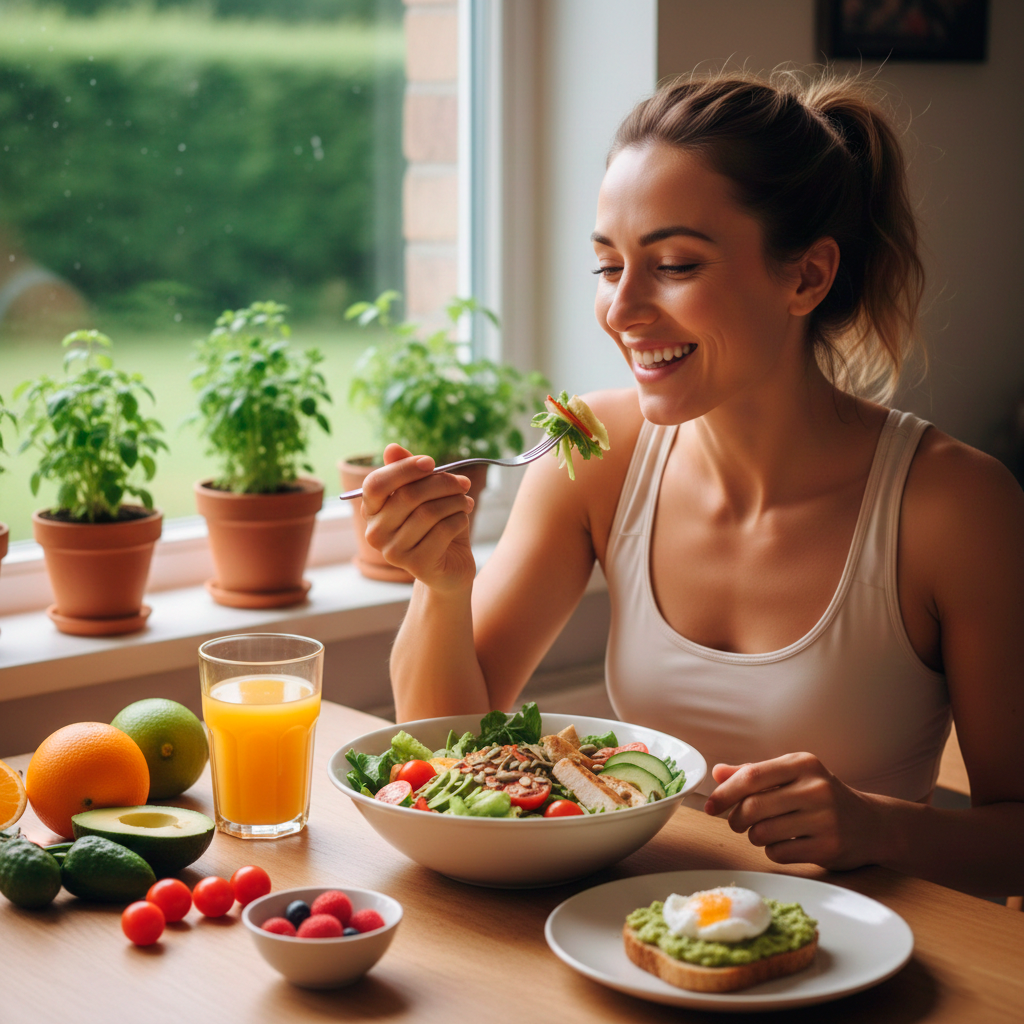
Today we want to share with you five foods that should be part of your diet if you are on your way to motherhood.
Avocado: Healthy Fat for Balanced Hormones
Why is it essential?
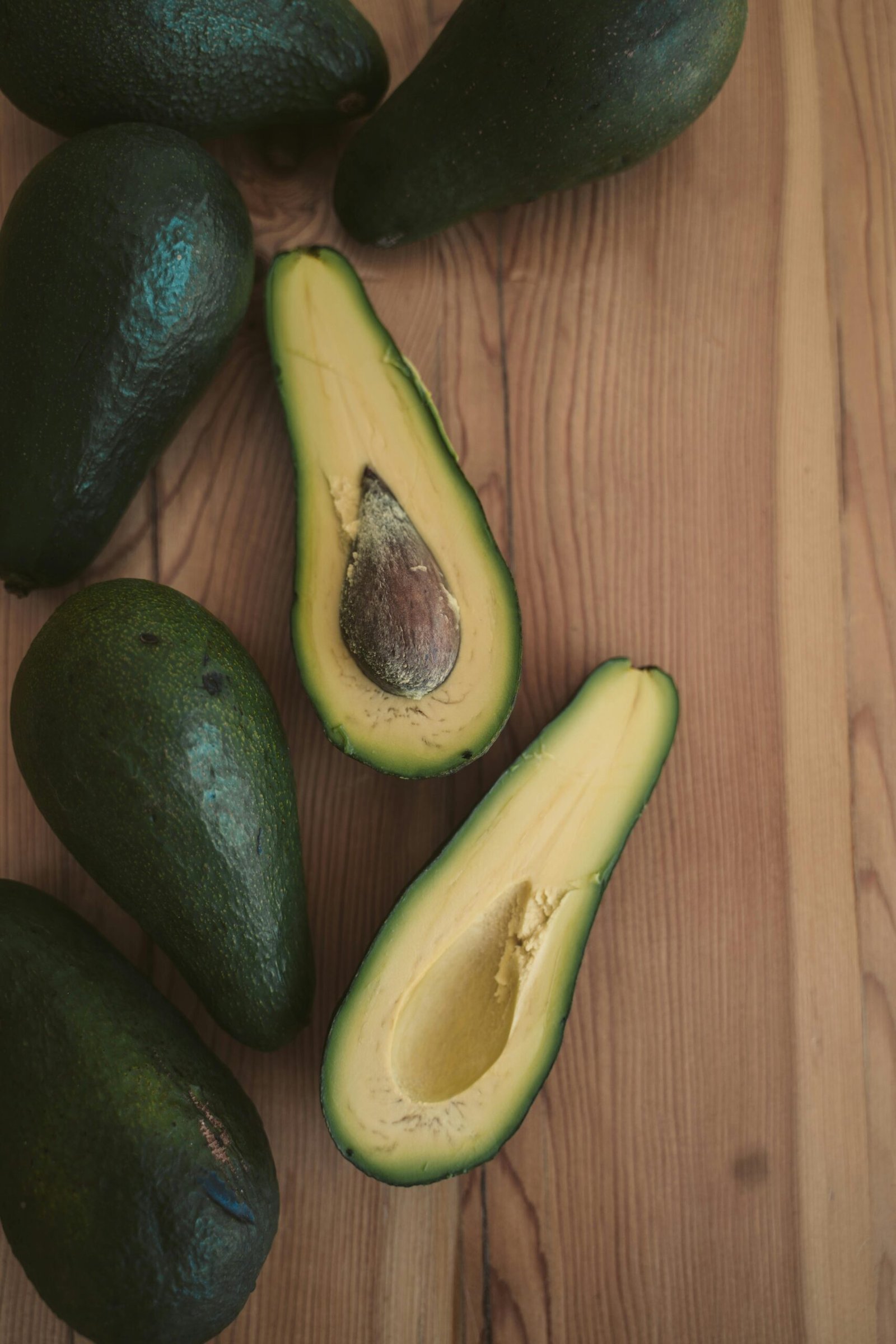
Avocados are an exceptional source of healthy monounsaturated fats, vitamin E, folic acid, and potassium. Healthy fats are essential for the production of reproductive hormones, as cholesterol (the right kind) is the precursor to hormones such as estrogen and progesterone.
How to include it:
• In green smoothies in the morning
• As a base for salads
• On whole-grain toast for breakfast
• As a snack with a pinch of sea salt
Important fact: A study published in Fertility and Sterility found that women who consumed more monounsaturated fats had higher pregnancy rates in fertility treatments.
Wild Salmon: Omega-3 to Reduce Inflammation
Why is it essential?
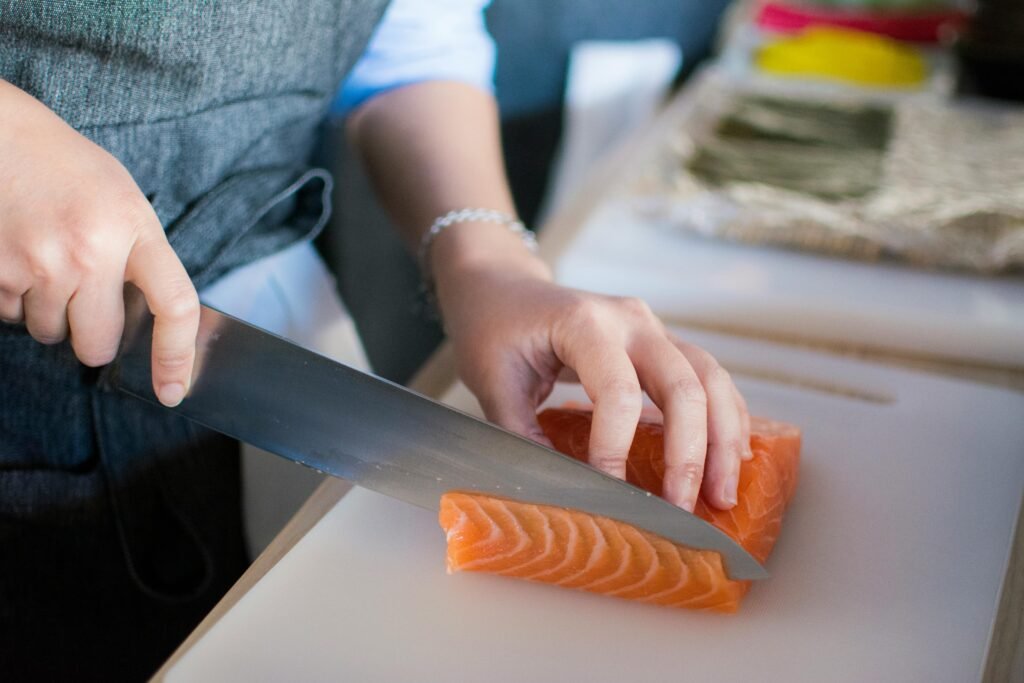
Wild salmon (not farmed) is rich in omega-3 fatty acids, high-quality protein, and vitamin D. Omega-3s are natural anti-inflammatories that improve egg quality, regulate the menstrual cycle, and increase blood flow to the uterus.
How to include it:
• 2-3 servings per week
• Baked with fresh herbs
• In cold salads
• Avoid fried salmon or salmon with processed sauces
Alternatives: If you don’t eat fish, consider chia seeds, walnuts, or an omega-3 supplement from algae.
Spinach and Leafy Green Vegetables: Natural Folic Acid
Why are they essential?
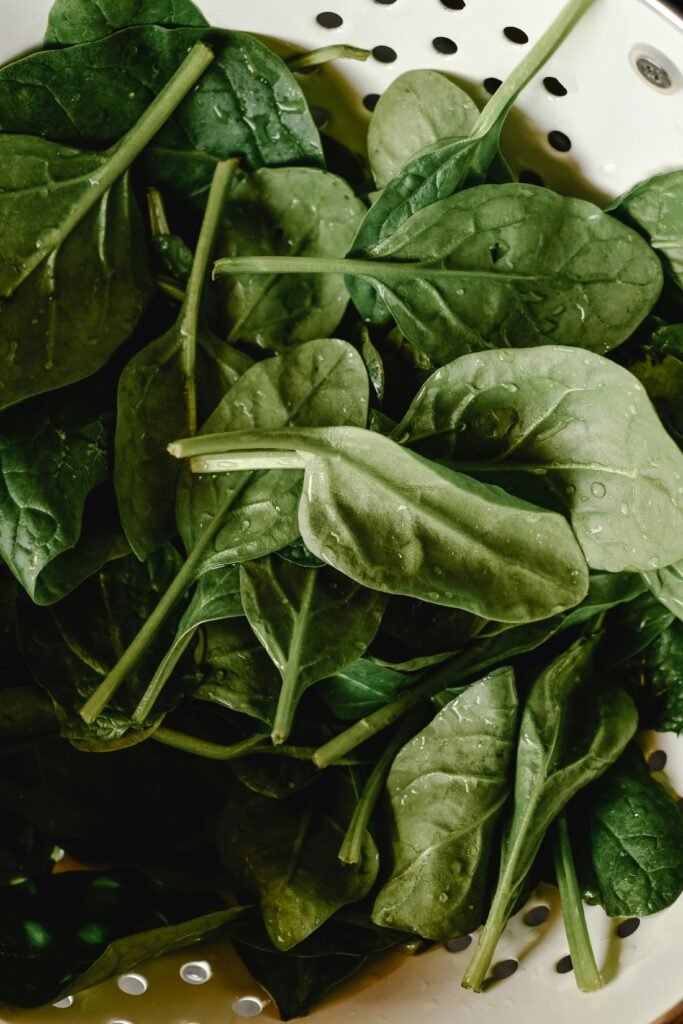
Spinach, kale, arugula, and other leafy greens are rich in folic acid, iron, calcium, and antioxidants. Folic acid is crucial not only during pregnancy but also BEFORE conception, as it prevents neural tube defects and supports healthy cell division.
How to include them:
• Green smoothie every morning
• Hearty salads for lunch
• Sautéed with garlic and olive oil
• In fresh green juices
Pro tip: Folic acid from natural sources is better absorbed than synthetic supplements. Combine them with vitamin C (lemon, orange) for better iron absorption.
Nuts and Seeds: Selenium and Zinc for Ovulatory Health
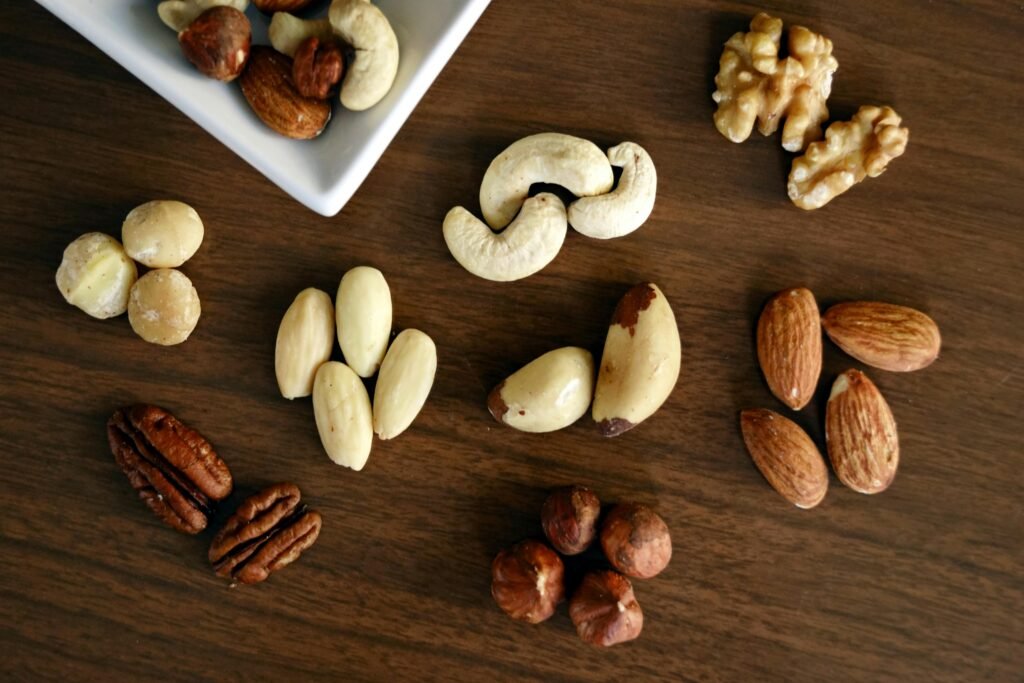
Why are they essential?
Brazil nuts are the richest source of selenium, a mineral essential for thyroid function and egg health. Pumpkin seeds are rich in zinc, which is essential for hormonal balance and regular ovulation.
How to include them:
• 2-3 Brazil nuts per day (no more! Too much selenium can be toxic)
• Pumpkin seeds as a snack
• Sunflower seeds in salads
• Mix of raw nuts and seeds
Important: Buy raw nuts and seeds, without added salt or sugar, and store them in the refrigerator to prevent the fats from oxidizing.
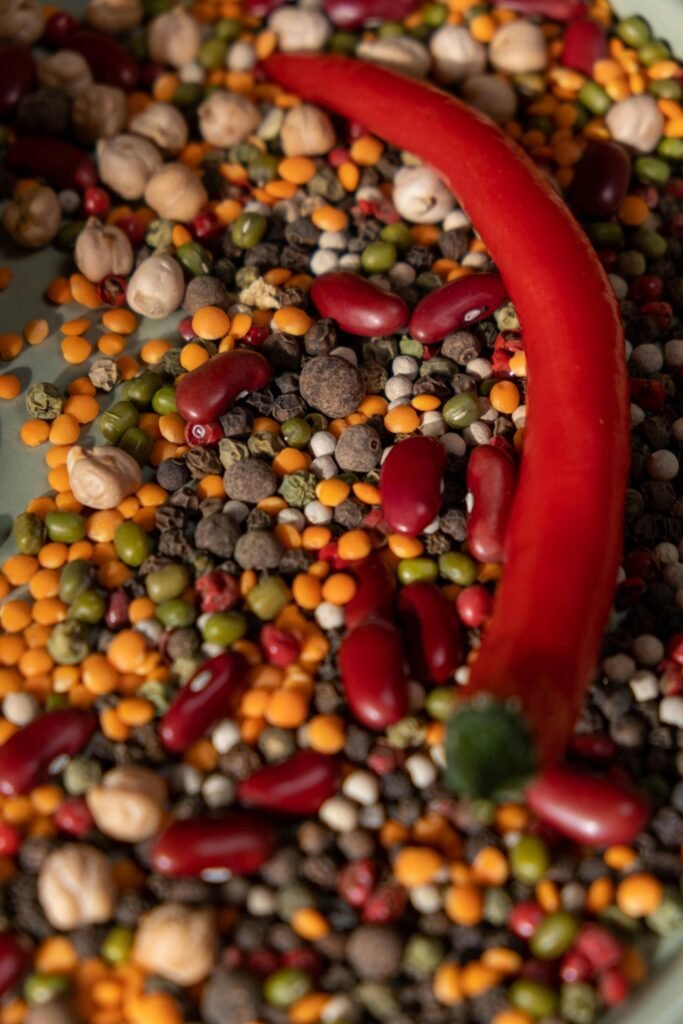
Legumes: Plant Protein and Fiber for Hormonal Balance
Why are they essential?
Lentils, chickpeas, black beans, and other legumes are rich in vegetable protein, fiber, iron, and B vitamins. Fiber is crucial for eliminating excess estrogen from the body, preventing hormonal imbalance.
How to include them:
• Homemade hummus as a dip
• Lentils in soups and stews
• Roasted chickpeas as a snack
• Beans in Mexican salads
Additional benefit: Legumes have a low glycemic index, which helps keep blood sugar and insulin levels stable, key factors in polycystic ovary syndrome (PCOS) and fertility.
Conclusion: Beyond Individual Foods
While these five foods are exceptional for fertility, the most important thing is your overall eating pattern. It’s not about eating “perfectly,” but about making conscious choices most of the time.
General principles for a fertility-friendly diet:
• Prioritize whole, unprocessed foods
• Include protein in every meal
• Eat the rainbow: variety of colors = variety of nutrients
• Reduce refined sugar and ultra-processed foods
• Stay properly hydrated
• Listen to your body
Remember: nutrition is just one of the three pillars of our holistic approach. Emotional work and spiritual connection are equally important.
Do you need personalized help to optimize your diet? In our Fertile Nutrition programs, we create plans specific to your body, your needs, and your history.
Schedule your free discovery session and let’s start this journey together.